
Budget-Friendly Gardening Tips: How to Grow Your Own Food Without Breaking the Bank
Learn simple, budget-friendly gardening tips to grow your own food at home without overspending. Discover easy ways to save money, reduce waste, and live more sustainably.
4/11/20266 min read
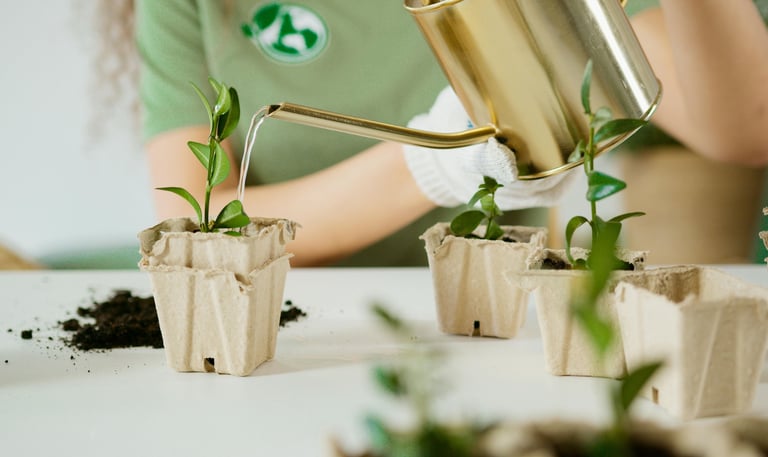
In a world where grocery prices keep climbing and fresh produce isn’t always easy to find, more people are turning to the idea of growing their own food. Here’s the best part — it doesn’t have to cost a fortune. With a little creativity, patience, and a few smart budget-friendly gardening tips, you can start growing your own fruits, vegetables, and herbs without breaking the bank.
If you’re ready to get started, here’s how you can create an affordable, sustainable garden at home:
1. Start Small & Focus on High-Value Crops
If you’re new to gardening, don’t feel like you need to plant an entire backyard garden right away. Starting small is one of the best beginner gardening tips, especially if you’re trying to garden on a budget. Focus on a few easy, high-yield crops like:
Lettuce – Fast-growing and perfect for fresh salads.
Tomatoes – Just one plant can produce pounds of fruit all summer.
Herbs – Basil, parsley, and mint are expensive at the store but incredibly affordable and easy to grow at home.
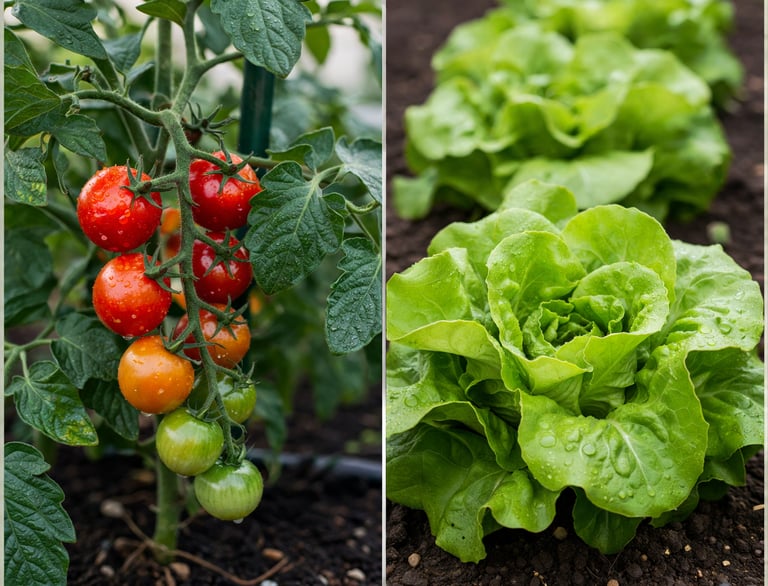
These beginner-friendly plants give you the most return for minimal cost and effort, making them perfect for anyone learning how to start a vegetable garden.
We started with tomato plants and loved it. Even my picky eater was excited to try something he grew himself—which made the whole experience even more rewarding.
2. Use What You Already Have
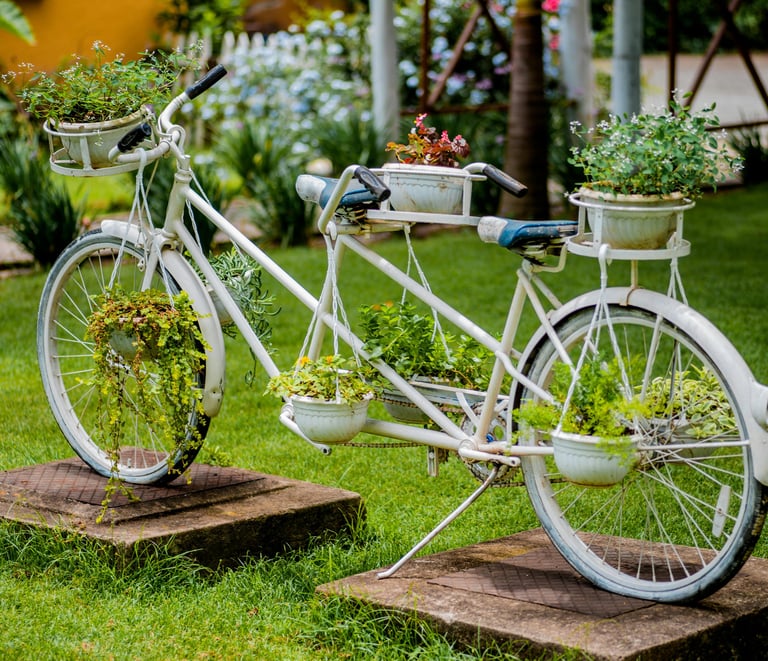
Starting a garden doesn’t have to mean buying expensive pots or building raised beds. One of the easiest ways to start a garden on a budget is by using items you already have at home.
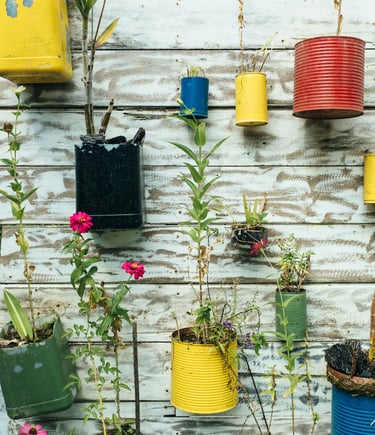
Take a look around—old buckets, milk jugs, storage bins, and even cracked or broken pots can all be repurposed into planters. Just make sure to add drainage holes to prevent water from sitting and damaging your plants
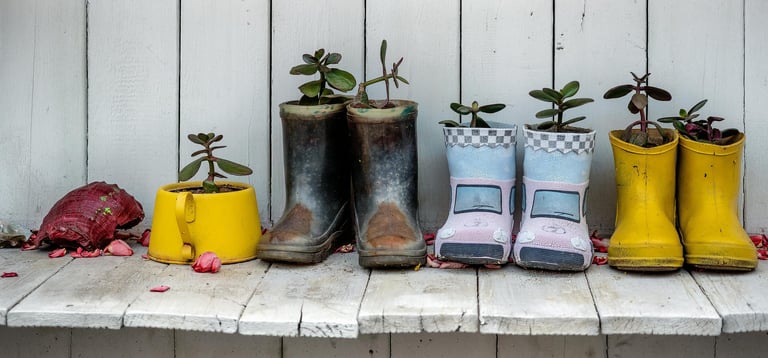
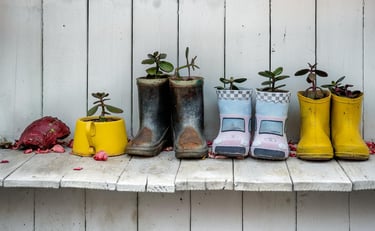
When we first started, we used whatever we had on hand instead of buying new supplies. It made gardening feel a lot less overwhelming—and honestly, more fun. There’s something really satisfying about turning everyday items into something useful.
3. Start from Seeds, Not Seedlings
Buying starter plants can get expensive quickly, especially if you’re planting a full garden. A simple, budget-friendly alternative is saving seeds from produce you already have at home. That’s exactly how we started our vegetable garden, and it turned into such a rewarding experience. Brayden loved watching his seeds grow, and it became a natural way to teach patience, responsibility, and where our food comes from.
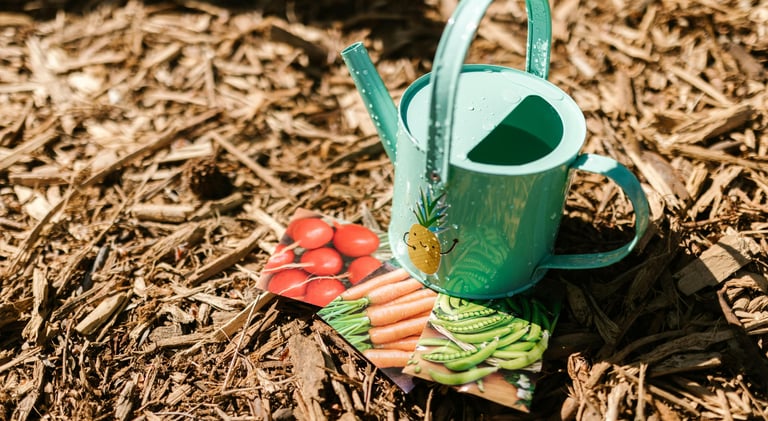
If you’re looking for a faster way to start a garden, seed packets are another affordable and beginner-friendly option. Knowing how to choose the right seeds can make a big difference in your success. The good news? You don’t need to overthink it. Just check these key details:
Freshness: Choose the current year’s seeds for better germination
Days to Maturity: Make sure it fits your growing season
Planting Instructions: Follow depth and spacing to avoid overcrowding
Plant Type:
Hybrid – higher yield, disease-resistant
Heirloom – good for saving seeds
Sun & Water Needs: Match the plant to your space
Seed Quantity: Ensure you have enough for your garden
Stick with reputable brands, and choose local or organic when possible.
4. Compost for Free Fertilizer
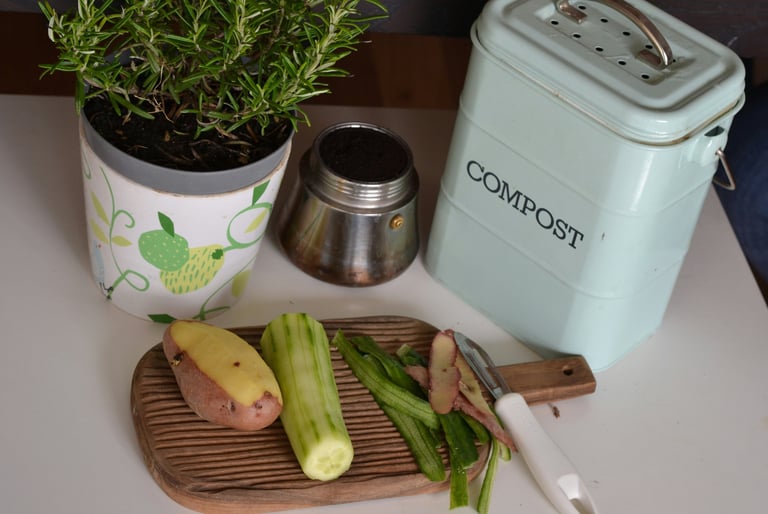
Skip the expensive fertilizers and make your own compost! Collect fruit and veggie scraps, coffee grounds, eggshells, and yard waste. Even if you don’t have room for a full compost bin, a simple 5-gallon bucket with a lid works great for small-scale composting.
As a result, you’ll create nutrient-rich soil for your plants while cutting down on household waste This is a win-win for your garden and the environment.
We personally use this composter. (Affiliate link)
5. Make the Most of Your Space
No backyard? No problem. You can grow a surprising amount of food in small spaces:
• Balconies can support container gardens.
• Window sills are perfect for herbs and leafy greens.
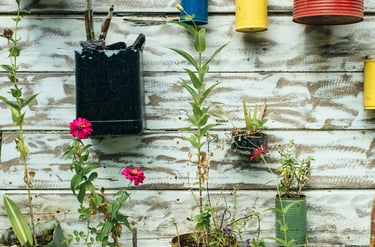
• Vertical gardening using trellises, hanging baskets, or wall planters helps maximize limited space.
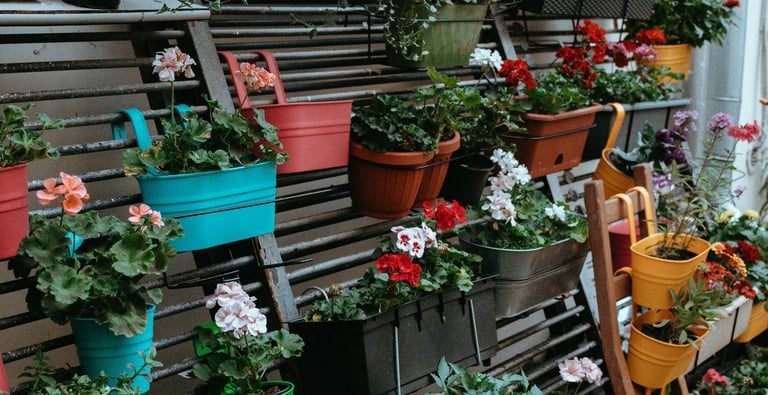
Moreover, vertical and container gardening aren’t just practical — they’re also visually appealing and can transform a small area into a lush, productive space.
6. Collect Rainwater
If your water bill is high, collecting rainwater is a simple way to save money and help your garden at the same time. It’s a beginner-friendly gardening tip, but it’s totally optional depending on what works for you.
Before you start, check your local rules, since some areas don’t allow rainwater collection.
If it’s allowed, you can start small. Many people use a basic rain barrel connected to a downspout to collect rain from their roof. It’s best to use a covered container to keep out leaves, dirt, and bugs.
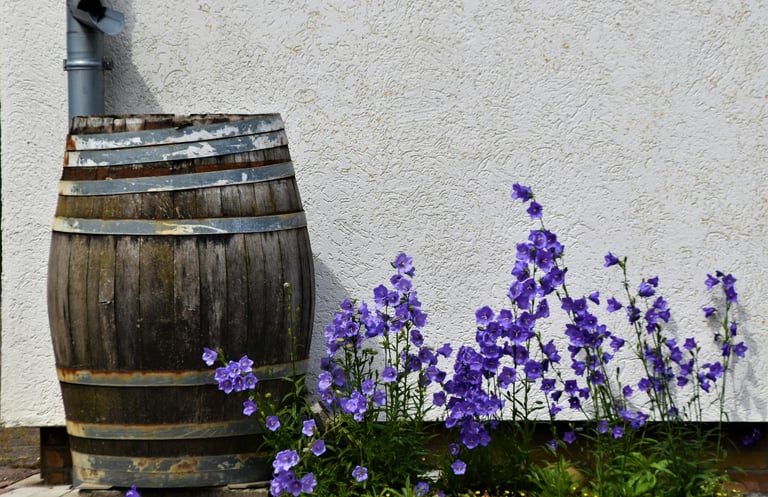
You can also keep it very simple by using buckets or tubs to catch rainwater from gutters or shed roofs. Some gardeners even upgrade later and connect multiple barrels for more storage.
One important tip is to use the water within a couple of weeks so it stays fresh.
I haven’t tried collecting rainwater yet, but it’s something I’m looking into as a way to make our garden more budget-friendly and eco-friendly.
Final Thoughts
As an Amazon Associate, I earn from qualifying purchases. This post contains affiliate links, which means I may receive a small commission, at no cost to you, if you make a purchase through a link.
Shop this Post:
Garden Essentials
As an Amazon Associate, I earn from qualifying purchases. This post contains affiliate links, which means I may receive a small commission, at no cost to you, if you make a purchase through a link.
Gardening is a journey—one that taught Brayden patience and saved us a bit on our grocery bill, too. If you're ready to start, I've linked our favorite budget-friendly seeds and tools below. Happy planting!
Here are my favorite picks from this post. These are budget-friendly, practical, and perfect for getting started.
Beginner Vegetable Seed Variety Pack
A great all-in-one option if you’re just starting out and want a mix of easy crops like lettuce, tomatoes, and herbs.
A simple starter kit with essentials like a trowel, cultivator, and transplanter for planting and upkeep.
Quality Potting Soil for Containers
Good soil is the foundation of a healthy garden, especially for raised beds or containers.
Give seedlings a dedicated space to grow strong roots before moving to the garden.
A light, sterile blend that holds the perfect moisture for successful germination.
Keep hands clean and protected while maintaining a grip on tools and tiny seeds.
Learn more about the benefits of composting at home through the EPA website.
Learn how to grow more in less room with these small space gardening resources from
If you’re looking for more creative ideas, I actually used this guide from The Home Depot when I was repurposing containers for our garden. It was really helpful for getting started.
For an extensive overview of rainwater harvesting check out Innovative Water Solutions.
Bonus tip: Some local libraries and community gardens offer free seed exchanges, making it even easier to start your garden without spending much.
Bonus tip: When buying tomato starts or seeds, look for the word "Indeterminate." Indeterminate varieties keep growing and producing new tomatoes until the first frost.
Legal Disclosures
Thrifty Family participates in the Amazon Services LLC Associates Program, an affiliate advertising program designed to provide a means for sites to earn advertising fees by linking to Amazon.com. Some links on this site may be affiliate links.
© 2026 Thrifty Family | Privacy Policy | Terms of Use | Built with Intention