
Creating a Frugal Home: Practical Tips to Lower Utility Bills at Home
Save money with these simple tips to lower utility bills at home. Learn how to create a frugal, energy-efficient home with practical, budget-friendly habits.
4/6/20265 min read
As an Amazon Associate, I earn from qualifying purchases. This post contains affiliate links, which means I may receive a small commission, at no cost to you, if you make a purchase through a link.
In today’s world, where every penny counts, finding ways to lower utility bills at home is one of the most effective ways to save money and reduce monthly expenses. The good news? You don’t need a complete home makeover to see results.
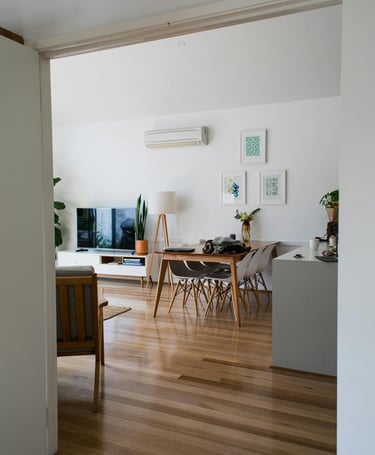
Creating a frugal home is all about small, intentional changes. Over time, these simple habits can lead to noticeable savings—and a more energy-efficient home.
Embrace Natural Light
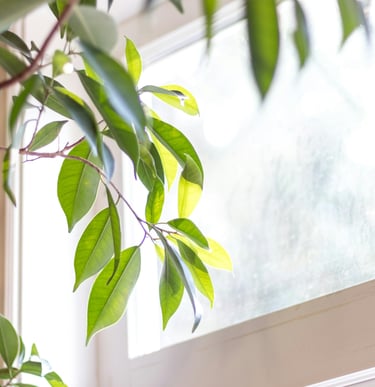
One of the easiest ways to lower utility bills at home is by using what you already have—natural light.
Opening your curtains each morning has become part of our daily routine. It instantly brightens the space, lifts your mood, and helps reduce the need for artificial lighting during the day.
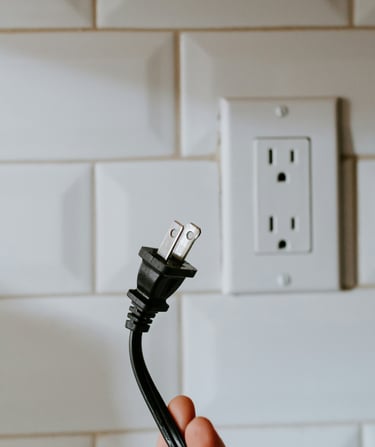
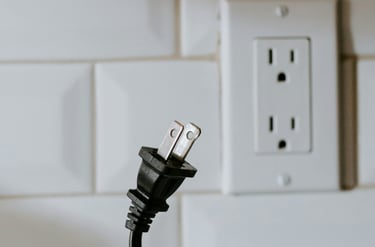
Unplug Devices When Not in Use
Many household devices still draw power even when they’re turned off—often called “phantom energy.”
I’ll admit, I used to leave chargers plugged in all the time. But those small habits quietly add up on your energy bill.
Unplugging devices—or using a power strip to switch everything off at once—is a simple habit that makes a difference over time.
Keep Your Refrigerator Running Efficiently
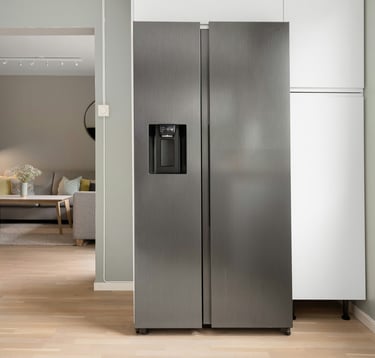
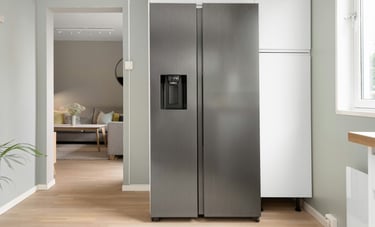
Your refrigerator is one of the biggest energy users in your home, so keeping it efficient is key.
Make sure the door seals are tight, avoid overcrowding, and allow proper airflow. We actually learned this the hard way—our old fridge stopped working because it was overcrowded.
Switch to LED Bulbs
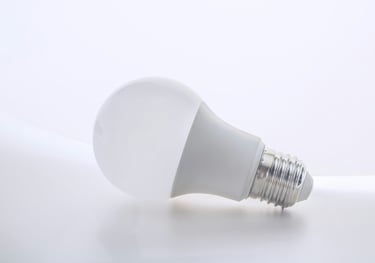
LED bulbs use up to 75% less energy and last significantly longer than traditional incandescent bulbs.
We started by replacing bulbs in the most-used rooms and noticed a real difference in our energy bill.
Optimize Your Water Usage
Water bills can be one of those sneaky expenses that add up quickly.
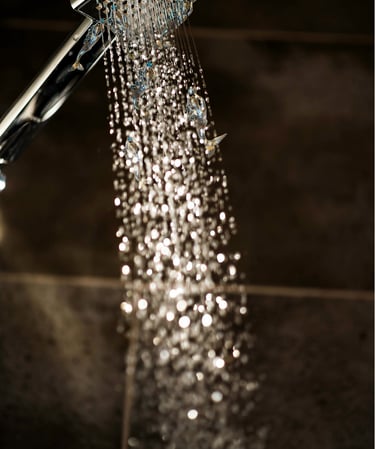
In our home, we focus on small habits like shorter showers, turning off the faucet while brushing teeth, and only running full loads in the dishwasher and washing machine.
These simple changes really do make a difference over time.
Practice Smart Laundry Habits
Laundry can use more energy than you might expect.
To lower utility bills at home, we:
Wash clothes in cold water
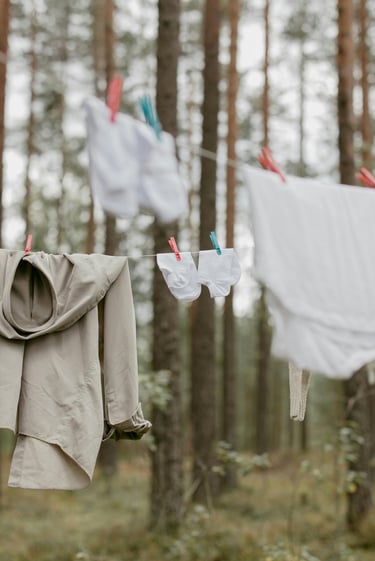
Air-dry when possible
Clean the lint filter regularly
We love using a clothesline when the weather allows—it saves money and feels a little nostalgic too. In the colder months, we use a clothes drying rack.

Optimize Your Cooking Habits
Cooking habits can also impact your energy usage.
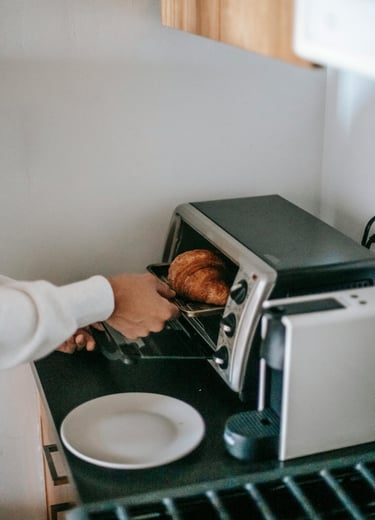
Instead of always using the oven, try smaller appliances like:
Slow cookers
Microwaves
Toaster ovens
They use less energy and are often more convenient for everyday meals.
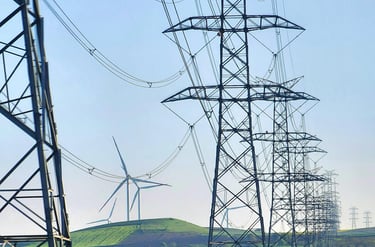
Switch to a Lower-Cost Energy Provider
Depending on where you live, you may have the option to choose your energy provider.
It’s worth comparing plans or checking for:
Lower rates
Budget billing options
Auto-pay discounts
Regularly Maintain Your HVAC System
Your HVAC system plays a major role in your energy bills.
In our home, we make it a priority to:
Change filters regularly
Schedule annual maintenance
This helps everything run efficiently and prevents costly repairs.
Seal Gaps and Insulate Your Home
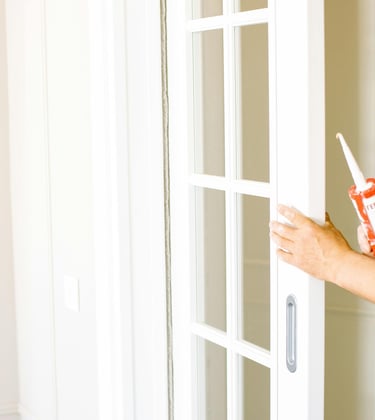
Drafts and air leaks are a common cause of high heating and cooling costs.
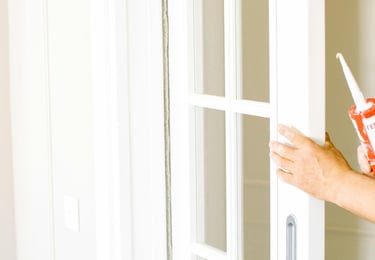
Check for gaps around windows, doors, and vents, and seal them with weather stripping or caulk.
Adding insulation can also help maintain a consistent indoor temperature and reduce energy waste.
Use a Programmable Thermostat
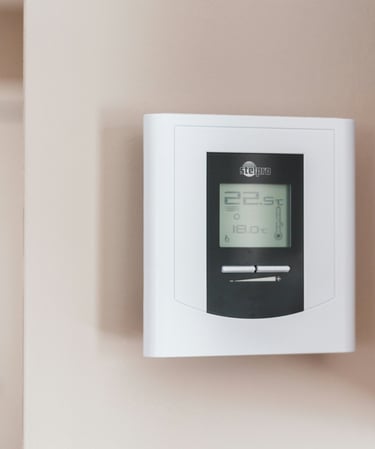
A programmable thermostat allows you to adjust your home’s temperature based on your schedule.
We set ours to lower the temperature while we’re away or sleeping and warm things up just before we wake up or return home.
This small change can make a noticeable difference over time.
Switch to Energy-Efficient Appliances
Creating a frugal home doesn’t require perfection—it’s about building simple, consistent habits that help you save money over time.
By making small changes and being more mindful of how you use energy, you can:
Lower utility bills
Reduce waste
Create a more comfortable home
Start small, stay consistent, and you’ll begin to see the difference.

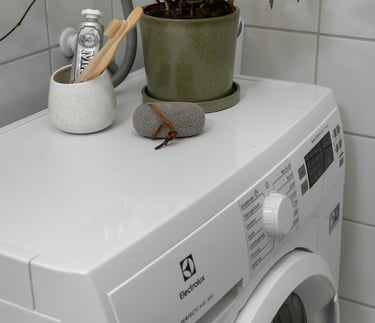
If you’re ready for a bigger investment, upgrading to energy-efficient appliances can significantly reduce long-term utility costs.
Look for ENERGY STAR-certified products to ensure you’re choosing high-efficiency options.
Final Thoughts
Shop this Post:
Energy-Efficient Upgrades
As an Amazon Associate, I earn from qualifying purchases. This post contains affiliate links, which means I may receive a small commission, at no cost to you, if you make a purchase through a link.
Our Household Favorite:
This is the exact style we use to skip the dryer and save on every laundry load.
Quick Energy Fixes:
Cut “phantom energy” by turning off multiple devices at once.
Use less energy and last longer than traditional bulbs.
Keeps your fridge at the right temp for better efficiency and less waste.
Drafts & Insulation:
Seals gaps to keep hot or cool air inside and lower energy costs.
Blocks cold air under doors—no installation needed.
Water Savings:
Reduces water use without sacrificing pressure.
Cuts water waste while maintaining strong flow.
Here are some of our favorite energy-efficient items that we use daily to help lower our utility bills.
For more tips on reducing standby power, the Natural Resources Defense Council offers helpful guidance.
If your refrigerator is older, you can compare energy-efficient models through ENERGY STAR.
To learn more, check out the Energy.gov lighting guide.
For more water-saving strategies, visit EPA WaterSense.
For more appliance efficiency tips, you can check Consumer Reports.
You can also explore support programs through USA.gov’s energy assistance resources.
For more guidance, Energy.gov offers helpful HVAC maintenance tips.
For more guidance, visit the Energy Saver insulation guide.
To explore options, check the ENERGY STAR thermostat guide.
You can compare appliances directly on the ENERGY STAR website.
For more ways on how to increase natural light in your home, read this article from AARP.
If you must use the oven, GE Appliances has tips on how to be more energy efficient.
Legal Disclosures
Thrifty Family participates in the Amazon Services LLC Associates Program, an affiliate advertising program designed to provide a means for sites to earn advertising fees by linking to Amazon.com. Some links on this site may be affiliate links.
© 2026 Thrifty Family | Privacy Policy | Terms of Use | Built with Intention