
Money Smart Kids Part 1: Why Teaching Kids About Money Matters
Teaching kids about money doesn’t have to be complicated. In this first post of the Money Smart Kids series, learn why early financial education matters and how everyday moments help children build confidence, responsibility, and lifelong money habits.
5/25/20264 min read
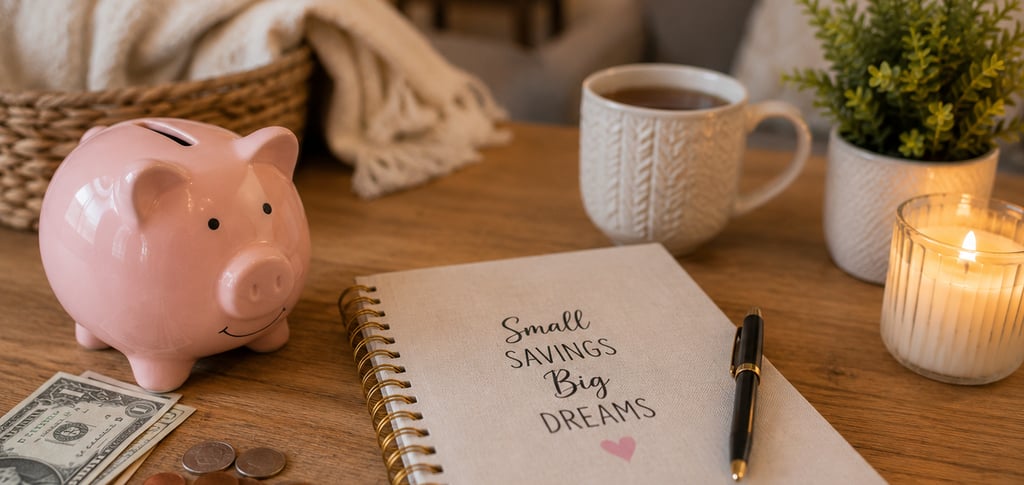

Why Teaching Kids About Money Matters
Teaching kids about money is one of the most valuable life lessons parents can offer. While schools may cover basic math, most children are not taught how to budget, save, or make smart financial decisions in real life.
That’s why it matters so much at home.
When children learn how money works early, they build habits that shape how they handle finances as adults.
Tip: Kids start forming money habits before they understand numbers. What they see at home becomes their financial “normal".
Money Habits Start Earlier Than You Think
Children begin forming money beliefs at a very young age. Even before they fully understand numbers, they are watching how adults talk about money and spending.
Without guidance, kids may develop confusing or unhealthy money beliefs. With intentional teaching, those beliefs turn into lifelong habits.
Tip: Even small comments like “that’s too expensive” shape how kids think about money.
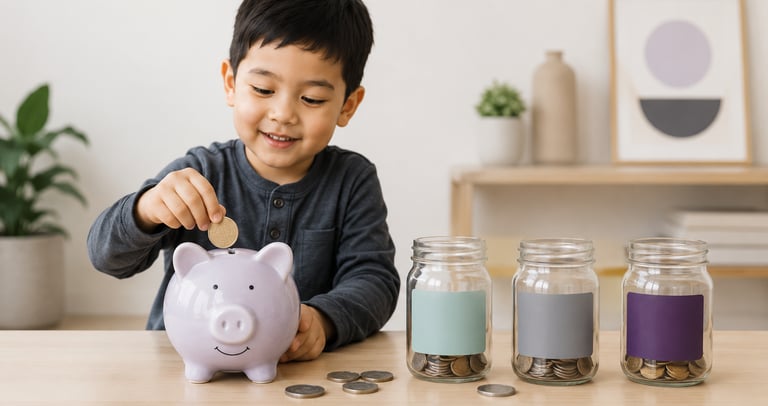
Financial Literacy Builds Confidence and Independence
When kids understand money, they feel more confident making decisions—even with small amounts.
This helps them:
Make thoughtful choices
Ask better questions
Feel more comfortable with money decisions
Tip: Confidence comes from small real-life practice, not one big lesson.
Kids Learn Best Through Real-Life Experiences
Everyday life is the best classroom for money lessons.
Great opportunities include:
Grocery shopping
Saving for toys
Planning family outings
Comparing prices
Tip: Narrating your decisions ( “I’m choosing this because it costs less”) teaches more than formal lessons.


Teaching Money Skills Encourages Better Decision-Making
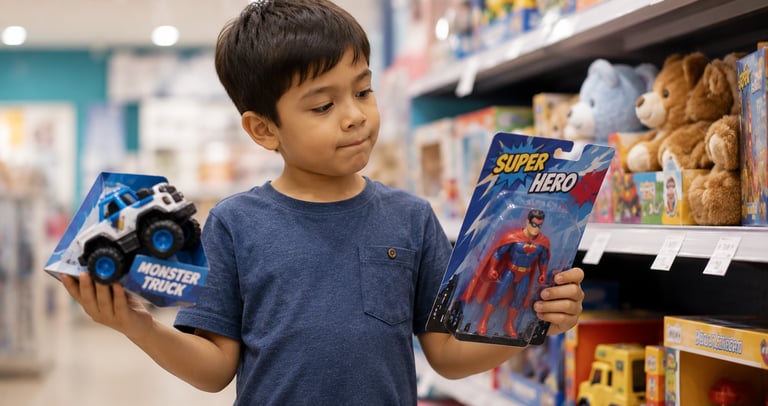
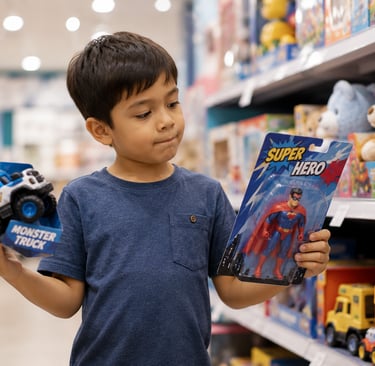
Children begin learning to pause before spending and ask:
Do I really want this?
What am I giving up if I buy this?
How long will it take to save for it?
Tip: The “pause before purchase” is one of the most powerful money habits kids can learn.
It Helps Prevent Future Money Struggles
Early financial education helps reduce future challenges like:
Overspending
Lack of savings habits
Poor budgeting skills
Instead, kids grow up understanding how to manage money intentionally.
Tip: Simple habits like saving part of allowance build lifelong financial stability.
It Encourages Responsibility and Goal Setting
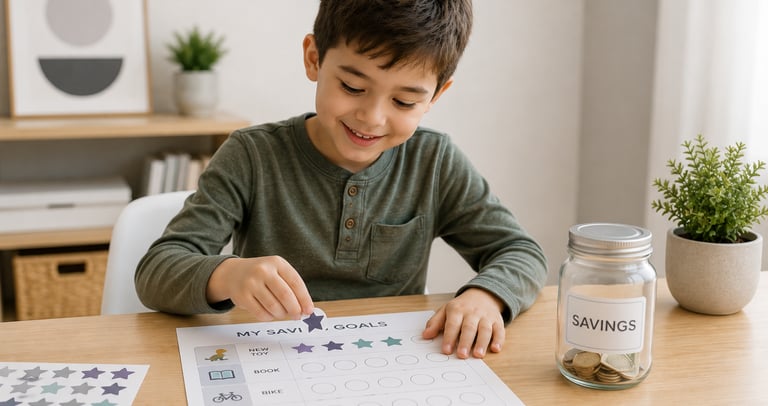
When kids manage money—even small amounts—they learn:
Responsibility
Patience
Goal setting
Tip: Let kids experience small mistakes—it’s one of the best teachers.
It Supports Family Values Around Money
Teaching kids about money also passes down family values like:
Living within your means
Being intentional with spending
Practicing gratitude
Tip: Kids learn values most from what they see, not what they’re told.
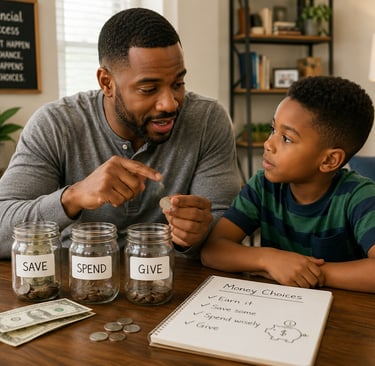
It Creates Opportunities for Family Connection
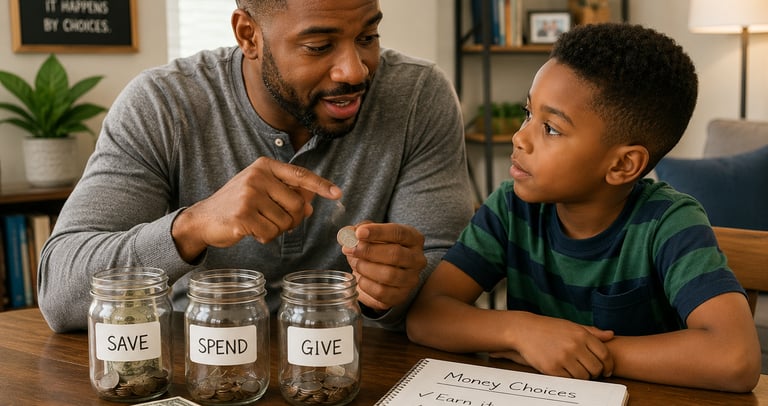
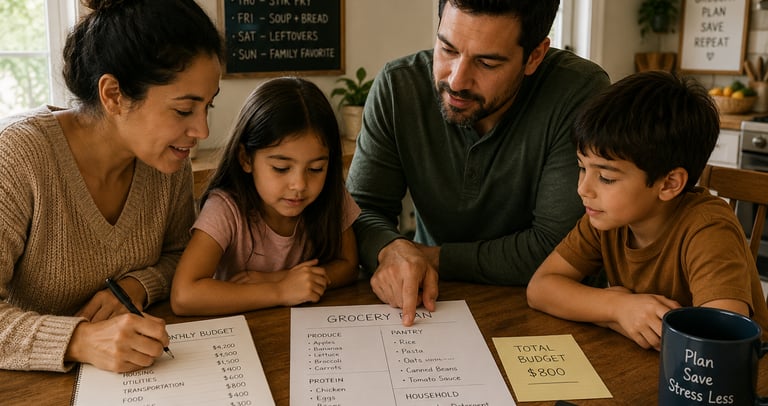
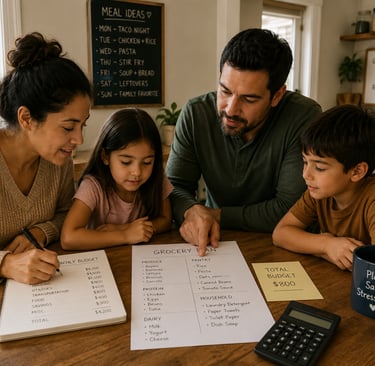
Money conversations can actually bring families closer through:
Budgeting together
Grocery planning
Goal setting
Tip: Involving kids in small decisions helps them feel included and capable.
Why This Matters for the Whole Family
When kids understand money, family life often becomes smoother:
Fewer impulse requests
More understanding of budgeting
Greater appreciation for what they have
Tip: Teaching money skills early can reduce everyday family stress around spending.


Final Thoughts
Teaching kids about money matters because it builds confidence, responsibility, and lifelong financial habits.
You don’t need complicated systems—just consistent, everyday learning moments.
Coming Next in This Series
Next up:
Money Activities for Elementary Kids — fun, hands-on ways to teach saving, spending, and budgeting through play.
As an Amazon Associate, I earn from qualifying purchases. This post contains affiliate links, which means I may receive a small commission, at no cost to you, if you make a purchase through a link.
As an Amazon Associate, I earn from qualifying purchases. This post contains affiliate links, which means I may receive a small commission, at no cost to you, if you make a purchase through a link.
Shop this Post:
Money Smart Kids
Kids Play Money Set
A play money set is perfect for hands-on learning. Kids can practice counting coins, making change, and pretending to shop at home.
Three-Part Piggy Bank
A save, spend, and give piggy bank helps children understand that money can have different purposes. It makes early money lessons simple and visual.
Kids Allowance Tracker
An allowance tracker helps kids see what they earn, spend, and save each week. It is a great way to build responsibility early.
Money Activity Workbook
A kids money workbook adds simple lessons, activities, and practice pages for learning about wants, needs, saving, and spending.
Grocery Store Play set
A pretend store setup turns money practice into play. Children can learn prices, choices, and simple budgeting while having fun.
Coin Sorting Tray
A coin sorting tray is helpful for younger kids learning the difference between pennies, nickels, dimes, and quarters.
Kid-Friendly Calculator
A basic calculator can help older kids practice adding allowance, tracking savings, and planning simple purchases.
Legal Disclosures
Thrifty Family participates in the Amazon Services LLC Associates Program, an affiliate advertising program designed to provide a means for sites to earn advertising fees by linking to Amazon.com. Some links on this site may be affiliate links.
© 2026 Thrifty Family | Privacy Policy | Terms of Use | Built with Intention