
Sustainability for Beginners: What It Is and How to Start Living a Greener Life
Learn what sustainability means and discover simple sustainable living tips for beginners. Start living a greener, more eco-friendly lifestyle with easy changes anyone can make.
6/14/20266 min read


As an Amazon Associate, I earn from qualifying purchases. This post contains affiliate links, which means I may receive a small commission, at no cost to you, if you make a purchase through a link.
If you’ve been hearing the word sustainability everywhere lately and wondering what it actually means, you’re not alone. Many people want to make environmentally friendly choices but aren’t sure where to begin.
The good news is that sustainable living doesn’t have to be expensive, complicated, or overwhelming. In fact, some of the most effective sustainable habits are simple changes you can make in your everyday routine.
In this guide, we’ll break down what sustainability is, why it matters, and practical ways to start living a greener life today.

What Is Sustainability?
At its core, sustainability means meeting our current needs without compromising the ability of future generations to meet theirs.
In simple terms, sustainability is about using resources responsibly so they remain available for years to come. It involves making choices that balance environmental, social, and economic well-being.
Sustainability touches nearly every part of our daily lives, including:
Energy use
Water consumption
Food choices
Transportation
Household products
Waste management
Ultimately, living sustainably means being mindful of how our actions affect the planet, other people, and future generations.
🌿 Quick Tip: Sustainability isn’t about being perfect. It’s about making better choices when you can and improving little by little over time.
Why Does Sustainability Matter?
The Earth’s natural resources are limited. Clean water, fertile soil, forests, and wildlife all depend on responsible stewardship.
As populations grow and consumption increases, our choices have a greater impact on the environment. Fortunately, small sustainable habits can collectively create meaningful change.
By adopting a more eco-friendly lifestyle, you can help:
Reduce household waste
Lower pollution levels
Conserve natural resources
Protect wildlife and biodiversity
Support ethical and sustainable businesses
Create a healthier future for your family
Most importantly, sustainable living often saves money, making it a win-win for both your wallet and the environment.
🌎 Did You Know? Many sustainable habits, such as reducing food waste, conserving energy, and buying secondhand, can significantly lower monthly household expenses.


How to Start Living Sustainably
The best way to begin living sustainably is to focus on small, manageable changes. Rather than trying to change everything at once, start with one or two habits and build from there.
Here are some easy sustainable living tips for beginners.
1. Reduce Single-Use Plastics
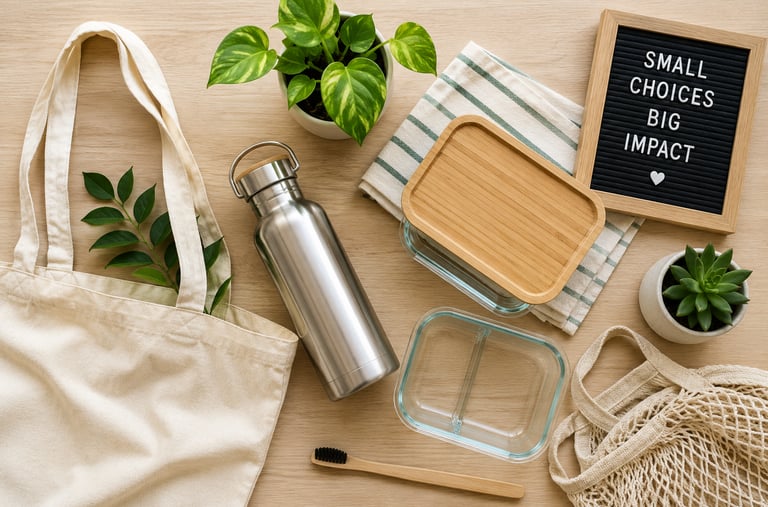
One of the simplest ways to reduce waste is by replacing disposable items with reusable alternatives.
For example, consider using:
Reusable water bottles
Cloth grocery bags
Reusable coffee cups
Reusable food storage containers
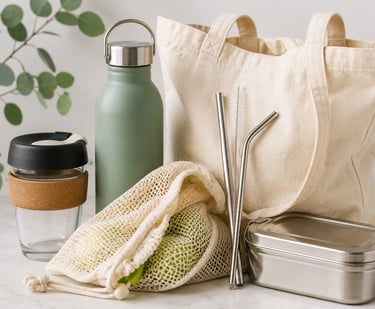
Bonus Tip: Keeping reusable bags in your car can help you avoid plastic bags during shopping trips.
2. Conserve Energy at Home
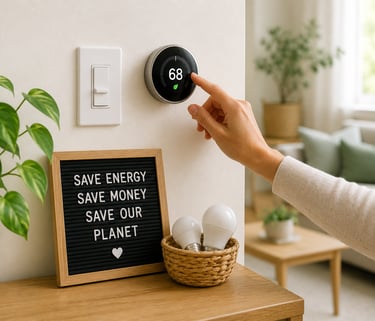
Reducing energy use is a simple way to lower both your environmental impact and utility bills.
Some easy ways to save energy include:
Turning off lights when leaving a room
Switching to LED light bulbs
Unplugging unused electronics
Adjusting your thermostat seasonally
Using natural light whenever possible
These small changes can make a noticeable difference over time.
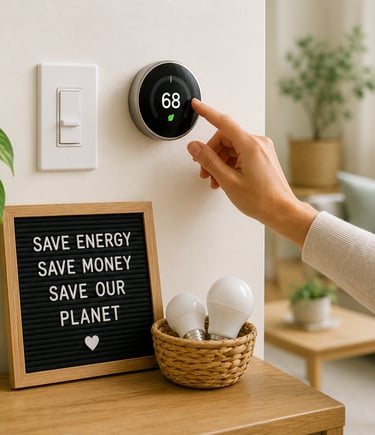
Want to learn more about conserving energy and lowering your utility bills at the same time? Check out my post Creating a Frugal Home: Practical Tips for Lowering Utilities Bills at Home.
3. Eat More Plant-Based Meals


You don’t need to completely eliminate meat to make a positive environmental impact.
Instead, start by introducing one or two plant-based meals each week. Meals featuring beans, lentils, vegetables, and whole grains often require fewer resources to produce and can help reduce your grocery costs.
As a bonus, trying new recipes can make family mealtimes more exciting.
🥕 Budget-Friendly Idea: Start with a “Meatless Monday” tradition to introduce sustainable eating habits without dramatically changing your family’s routine.
4. Shop More Mindfully
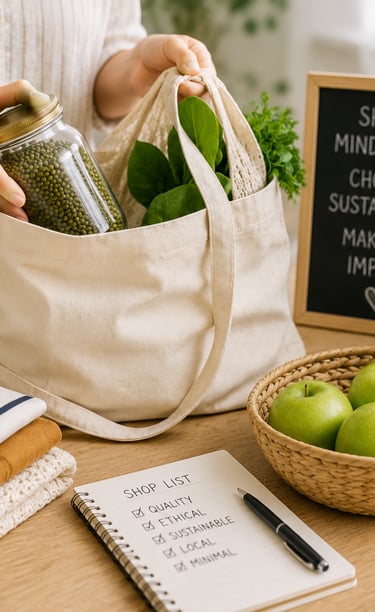
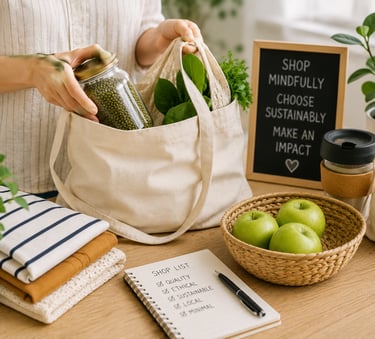
Before making a purchase, take a moment to consider whether you truly need the item.
Mindful shopping can help reduce waste while saving money.
Whenever possible:
Buy secondhand
Borrow items you rarely use
Choose durable products
Support local businesses
Purchase only what you need
As a result, you’ll consume less while getting more value from the items you own.
Look for my upcoming post on tips for mindful shopping.
5. Recycle the Right Way
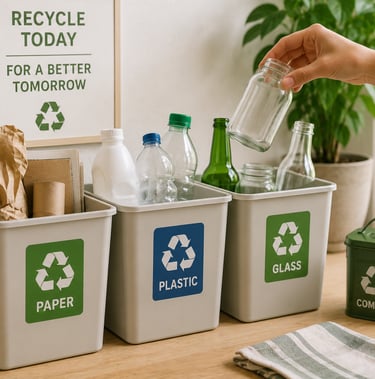
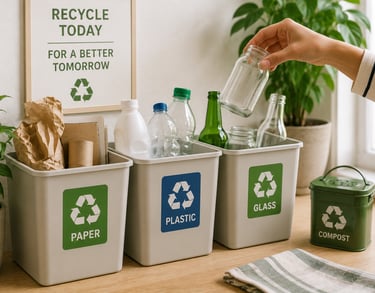
Recycling is important, but proper recycling is even more important.
Many people are surprised to learn that contaminated recycling can prevent entire batches of materials from being processed correctly.
Therefore, take time to learn your local recycling guidelines and sort materials appropriately.
📌 Helpful Reminder: When in doubt, check your local recycling program’s website before tossing an item into the recycling bin.
6. Embrace a More Minimalist Lifestyle
Minimalism and sustainability often go hand in hand.
By focusing on quality over quantity, you can reduce clutter, lower consumption, and make more intentional purchasing decisions.
You don’t need to own less overnight. Instead, focus on bringing fewer unnecessary items into your home and making better use of what you already have.
Over time, this approach can reduce waste and simplify daily life.


Look for my upcoming post on living a minimalist lifestyle.
Sustainable Living Starts with Small Changes
If you’re wondering how to live sustainably, remember that every small step counts.
Whether you start by using reusable bags, reducing food waste, conserving energy, or shopping secondhand, your actions matter. Sustainable living isn’t about perfection—it’s about making progress toward a greener, healthier future.
The best part is that many sustainable habits also help families save money, reduce clutter, and become more intentional about their choices.
Start where you are, use what you have, and take one small step today.
Final Thoughts
Sustainability for beginners doesn’t have to feel overwhelming. By making simple, eco-friendly choices consistently, you can create positive change for your family and the planet.
Remember, sustainable living is a journey, not a destination. Every reusable bag, energy-saving habit, and mindful purchase contributes to a more sustainable future.
As an Amazon Associate, I earn from qualifying purchases. This post contains affiliate links, which means I may receive a small commission, at no cost to you, if you make a purchase through a link.
Shop this Post:
Embrace Sustainability
Starting a more sustainable lifestyle doesn’t require expensive products or a complete lifestyle overhaul. These simple reusable items can help reduce waste, save money over time, and make eco-friendly habits easier.
A reusable water bottle helps reduce single-use plastic waste and keeps drinks cold throughout the day. It’s one of the easiest sustainability swaps to make.
Keep a few reusable bags in your car so you’re always prepared for shopping trips. They help reduce plastic bag waste and are often sturdier than disposable bags.
Perfect for coffee runs, commuting, or bringing drinks from home. Reusable cups help reduce disposable cup waste and can save money at some coffee shops.
🥗 Glass Food Storage Containers
Store leftovers, meal prep ingredients, and reduce the need for disposable plastic bags and containers.
Lightweight mesh produce bags are great for fruits and vegetables and help eliminate single-use produce bags.
A simple swap that can help reduce plastic waste at home or on the go.
Energy-efficient LED bulbs use less electricity and last much longer than traditional bulbs, helping reduce both energy use and utility costs.
Legal Disclosures
Thrifty Family participates in the Amazon Services LLC Associates Program, an affiliate advertising program designed to provide a means for sites to earn advertising fees by linking to Amazon.com. Some links on this site may be affiliate links.
© 2026 Thrifty Family | Privacy Policy | Terms of Use | Built with Intention