
How to Raise Eco-Conscious Kids: 8 Easy Habits for Families
Learn how to raise eco-conscious kids with these simple, everyday sustainability habits you can teach at home. Fun, easy tips to help kids love and protect the planet.
Lanie Austin
5 min read


As parents, we all want to raise kids who are kind, responsible, and thoughtful about the world around them. If you’ve ever wondered how to raise eco-conscious kids, the good news is—it’s easier than you might think.
You don’t need to be zero-waste or live off the grid to raise children who care about the planet. A few simple, everyday habits can go a long way in teaching sustainability at home.
Here are some easy ways to get started:
1. Make Recycling a Family Activity
Turn recycling into a fun, educational moment by letting your kids help sort paper, plastic, and cans.
Use color-coded bins or stickers to make it easy, and for younger ones, turn it into a game. My son Brayden learned about recycling early on, and it’s now one of his favorite chores. He proudly monitors our bins and even hands out playful “fines” if something’s in the wrong spot.


2. Teach the Power of Reusing
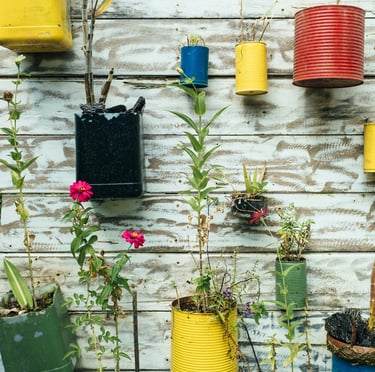
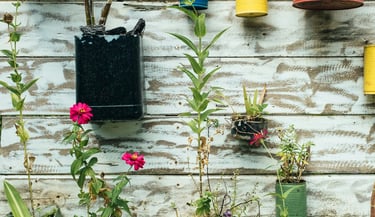
Encourage your kids to get creative by turning old jars into crayon holders, using scrap paper for art, or repurposing cardboard boxes for play.
In our house, it’s funny how a simple cardboard box often beats out actual toys. Even paper towel rolls get transformed into tunnels for toy cars!
3. Involve Them in Gardening
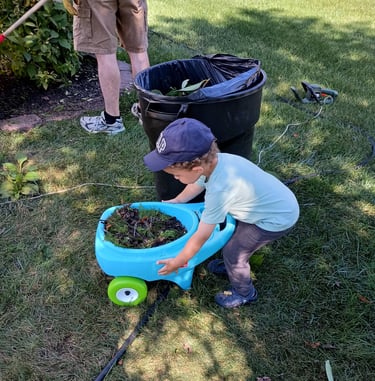
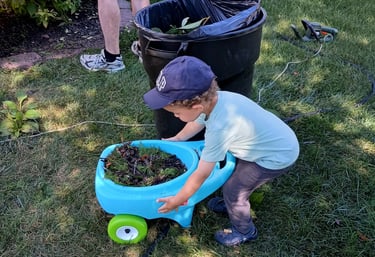
You don’t need a big yard—a windowsill herb garden or a few potted veggies is enough.
Kids can help plant, water, and harvest, learning where food comes from and how to care for living things. This was huge for my picky eater. Last year, he grew his own garden and eagerly ate everything he harvested.
4. Embrace “Turn It Off” Moments
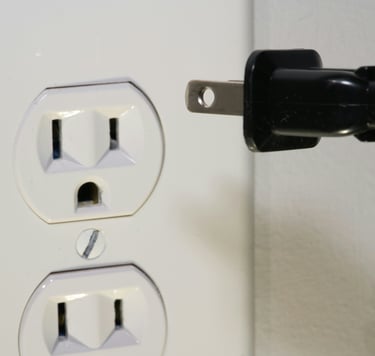
Start simple habits early, like turning off lights, electronics, and water when they’re not in use.
We have a rule in our house: if you’re not actively watching TV, it’s turned off. Lights go out when we leave a room. It’s become second nature — and those little moments make a big impact.
5. Make Eco-Friendly Swaps Together
6. Read Books & Watch Shows About the Environment


Use story time to spark conversations about nature, animals, and the planet.
Brayden’s curiosity about trees led us to find books about forests, and we turned it into a family project. If your child is into nature, just step outside and let their questions lead the way.
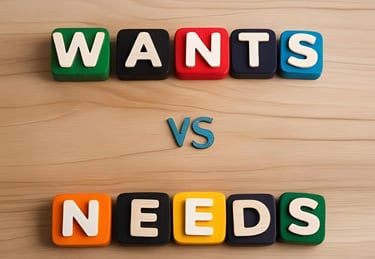
7. Talk About “Needs vs. Wants"
This is a big one in a world full of ads and instant gratification.
Teach your kids to pause and think about what they truly need versus what they just want. At five years old, Brayden wants everything—so this is an ongoing lesson in mindfulness and gratitude for us.

8. Celebrate Progress, Not Perfection


Sustainability isn’t about doing everything perfectly—it’s about trying.
Praise your kids’ efforts, no matter how small. Whether it’s remembering reusable bags or picking up trash at the park, celebrate those wins. Over time, these small habits become second nature.
Brayden is a great example of this—he takes pride in being an eco-conscious kid.
Final Thoughts
Learning how to raise eco-conscious kids isn’t about adopting a perfect, zero-waste lifestyle. It’s about teaching, modeling, and encouraging thoughtful, sustainable choices in everyday moments.
Kids are naturally curious and compassionate—with a little guidance, they can grow into mindful protectors of the planet.
Start small, keep it fun, and grow these habits together.
Involving your kids in choosing reusable, planet-friendly items makes sustainability feel both fun and personal. When children have a hand in the selection process, they take a greater sense of ownership over those items.
For example, Brayden is much more likely to take care of his belongings when he’s the one who helped pick them out.
Our Favorite Eco-Resources for Kids
Books to Read Together
Free Online Resources
Interactive games that teach nature and science in a kid-safe environment.
Here are a few easy swaps to start with, including the link to our favorites.
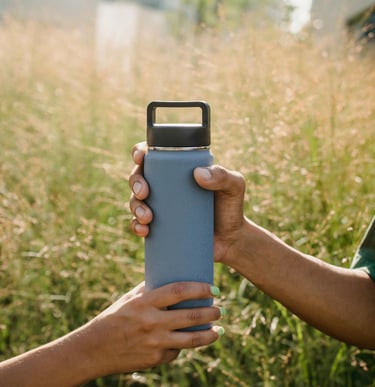
Reusable Water Bottles – Durable, kid-friendly designs that save money and reduce plastic waste.
Bento-Style Lunch Boxes – A leak-proof, all-in-one solution that eliminates single-use plastic baggies.
Reusable Snack Bags – Easy-to-wash pouches perfect for on-the-go treats and daily sustainability.
As an Amazon Associate, I earn from qualifying purchases. This post contains affiliate links, which means I may receive a small commission, at no cost to you, if you make a purchase through a link.
As an Amazon Associate, I earn from qualifying purchases. This post contains affiliate links, which means I may receive a small commission, at no cost to you, if you make a purchase through a link.

The Lorax
A classic, engaging story to help spark early conversations about protecting our planet.
The EARTH Book
Vibrant and playful, showing kids how small actions can make a BIG difference.
Compost Stew
A rhythmic A-to-Z "recipe" for turning kitchen scraps into "brown gold" for the garden.
Shows to Watch & Discuss
Wild Kratts
An action-packed adventure that uses "creature powers" to teach animal science and habitats.
Octonauts
A team of explorers teaching kids about ocean life, conservation, and helping creatures in need.
Trash Truck
A gentle show about finding "treasures" in everyday items—perfect for little recyclers!
National Geographic Kids
Incredible videos and facts for curious young explorers.
Check out my post Budget-Friendly Gardening Tips here.
Check out my post on how to conserve energy and lower you utility bills here.
If you are looking for inspiration, check out the extensive list of ideas on PBS KIds for Parents.
Check out the Conservation Institute for creative ways to teach kids about recycling.
Look out for my upcoming series Smart Money Kids
For a step by step guide on celebrating progress, not perfection check out Fuzzigram.
THRIFTY FAMILY
NEWSLETTER COMING SOON
QUICK NAV
LEGAL DISCLOSURES
Thrifty Family is a participant in the Amazon Services LLC Associates Program, an affiliate advertising program designed to provide a means for sites to earn advertising fees by advertising and linking to Amazon.com. Some links on this site may be affiliate links.
© 2026 Thrifty Family | Privacy Policy | Terms of Use | Built with Intention